


- Conducted first-half turnaround across nine process units with an investment of approximately KRW 200 billion
- Transformed Way of Working (WoW) under the DAX strategy
- Enhanced operational efficiency and workplace safety through digital and AI technologies
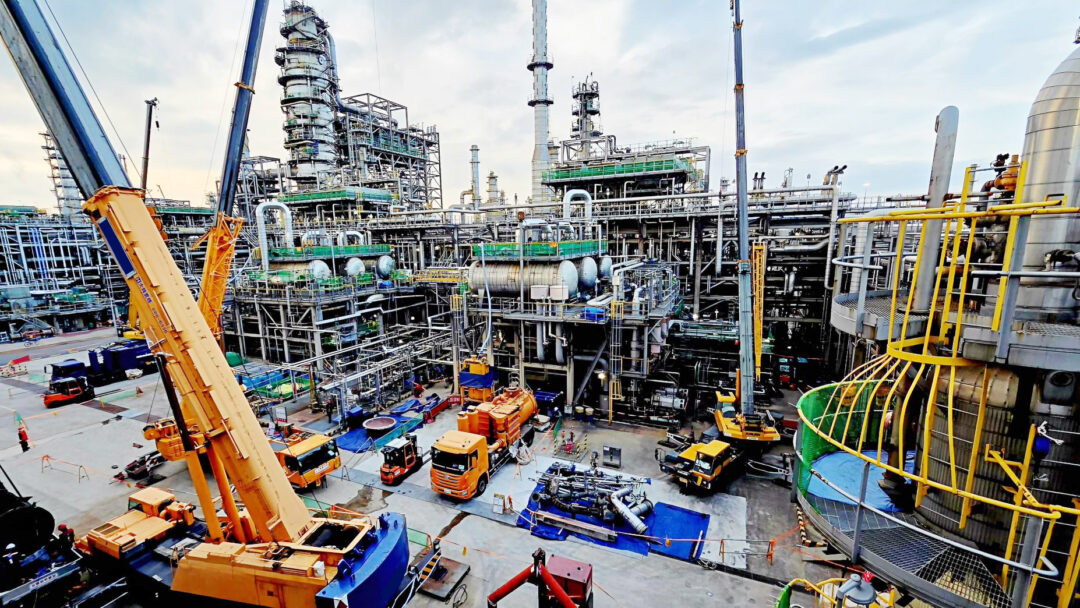
GS Caltex (Board Chair & CEO, GS Caltex / Vice Chairman, GS Group, Saehong Hur) announced on July 16 that it has successfully completed its 2026 first-half turnaround (TA) at the Yeosu Complex.
A turnaround is a large-scale scheduled maintenance project during which refinery and petrochemical operations are temporarily suspended to allow for intensive inspection of major production facilities. The work includes servicing production facilities and replacing aging parts and consumables to help ensure safe and efficient operations.
GS Caltex began the turnaround in May and covered nine process units over some 60 days. Approximately KRW 200 billion was invested in the project, with an average of 3,000 workers engaged each day.
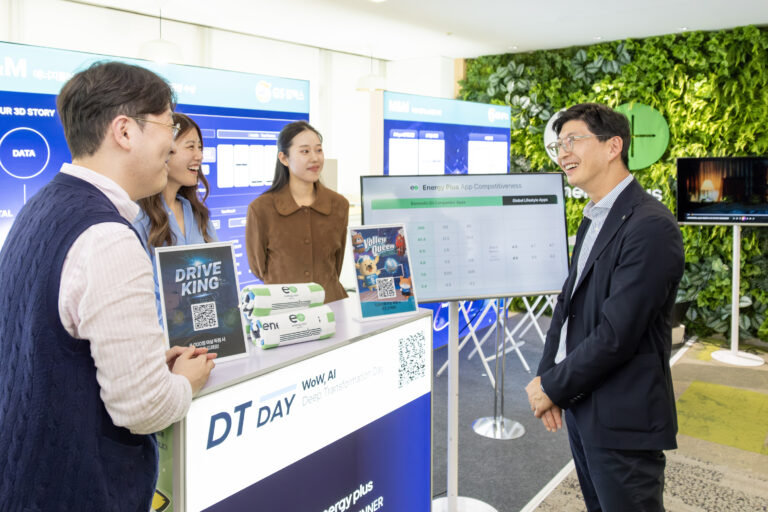
This year’s turnaround incorporated a wide range of digital and AI solutions developed under GS Caltex’s Digital & AI Transformation (DAX) strategy. From planning and field operations to safety management, these solutions enhanced efficiency and safety throughout the process.
In traditional manufacturing industries such as refining and petrochemicals, the adoption of digital and AI technologies is recognized as transforming not only the application of technology itself but also the way companies operate and compete. GS Caltex’s latest turnaround demonstrated how digital and AI technologies can transform the Way of Working (WoW), while delivering measurable results.
One example is MOVision, a digital application developed by GS Caltex. Motor Operated Valves (MOVs) require periodic inspection, but their large numbers and dispersed locations across process units made them time-consuming to locate. GS Caltex developed the MOVision app using Google Earth and 3D modeling technologies to streamline the inspections. The app maps the location of each MOV in Google Earth and provides detailed information through 3D models, significantly reducing the time needed to complete inspections. It also changes color as tasks are finished, making remaining work easy to identify.
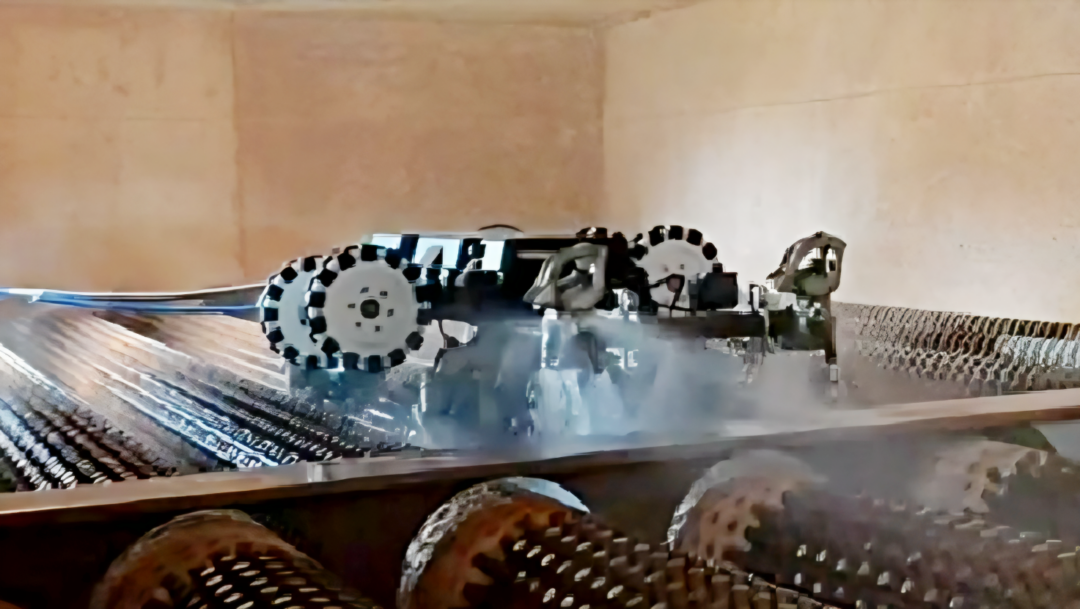
GS Caltex also introduced a tube-cleaning robot to enhance heater maintenance. Due to the structural design of some heater tubes, they are difficult to clean, allowing deposits to accumulate and reduce thermal efficiency. By deploying robotic cleaning technology to previously inaccessible areas, GS Caltex can clean the tubes more thoroughly, which is expected to improve thermal efficiency while reducing fuel consumption.
To strengthen safety management at the turnaround sites, GS Caltex utilized AI-powered CCTV capable of simultaneously identifying multiple types of risks. The system can, in real time, monitor whether workers are wearing personal protective equipment and safety harnesses as well as detect the approach of heavy equipment, improving safety management in high-risk work areas.
Safety remained the company’s highest priority throughout the turnaround, and this safety-first approach extends across day-to-day operations. GS Caltex regularly convenes its Safety Leadership Committee (SLC) to review safety, health and environmental performance, share best practices, and discuss key safety policies and strategies. Safety culture programs have also been expanded beyond the Yeosu Complex to logistics centers, research facilities, and domestic and overseas subsidiaries, encouraging proactive safety practices among employees. In addition, GS Caltex has established safety leadership guidelines that promote leading by example, reinforcing safety awareness, and fostering a collaborative safety culture.
“This turnaround is a compelling example of how field expertise and digital and AI technologies can work together to enhance both efficiency and safety,” said CEO Saehong Hur. He added, “Building on our DAX strategy, we will continue to accelerate innovation across our manufacturing operations while strengthening our future competitiveness.”