


-
- Sharing the outcomes and experiences from employee-driven innovation under the theme “We:bermensch”
- Showcasing in-house cases, ranging from AI and digital technology applications to company-wide strategy, helping spread frontline-led innovation
- Featuring CEO Saehong Hur engaging directly with employees and encouraging them to take on new initiatives and challenges
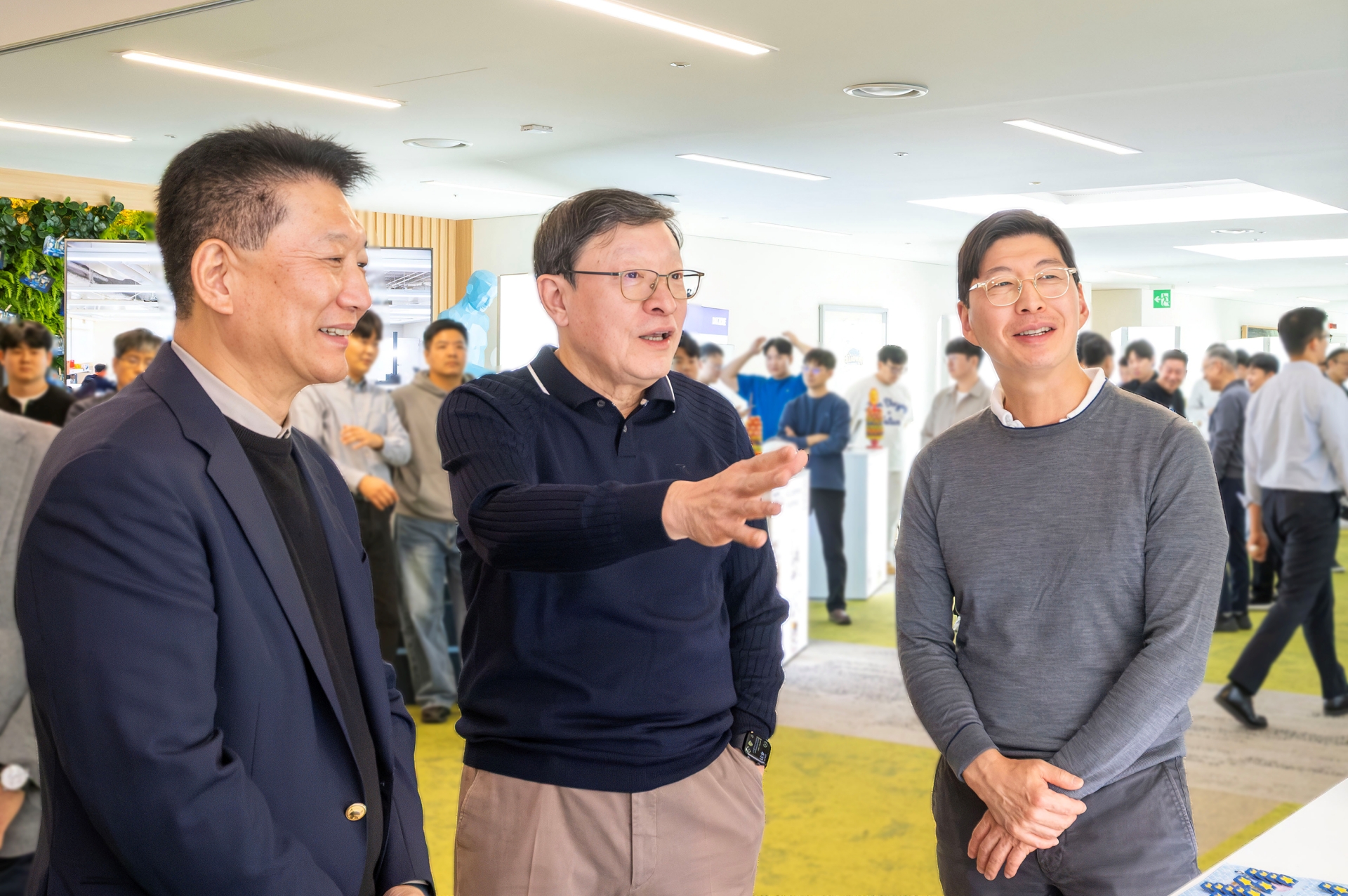
GS Caltex (Board Chair & CEO, GS Caltex / Vice Chairman, GS Group, Saehong Hur) held its 4th Deep Transformation Day (DT Day) under the theme “We:bermensch” on October 22 at the GS Tower headquarters in Seoul, with CEO Saehong Hur and employees from across the company in attendance.
DT Day is a frontline-focused event established by GS Caltex to pursue sustainable growth and strengthen its competitiveness in the industry. It serves as a platform for employees to grow together by sharing what they have accomplished and learned through their own innovation initiatives.
The theme of this year’s DT Day, “We:bermensch,” reflects the idea that employees should set higher standards for themselves and continue growing. By taking on challenges and pursuing innovation, they can bring their individual efforts together to create change across the company.
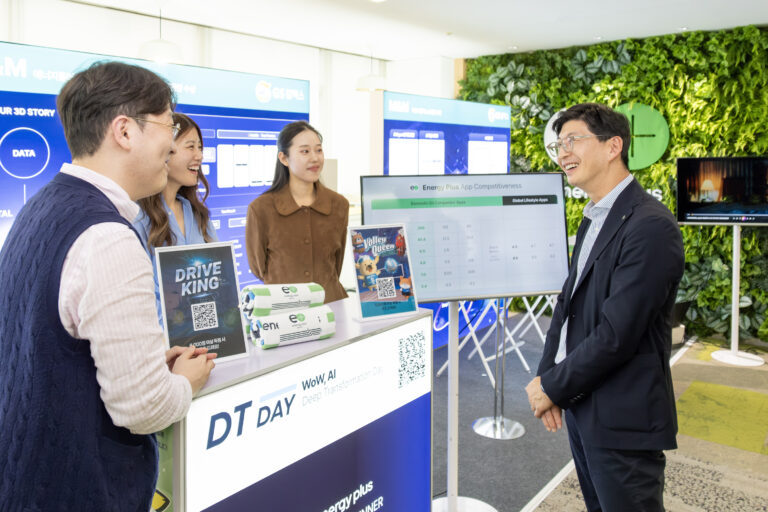
The event featured 15 exhibition booths showcasing a wide range of in-house innovations, where employees shared their results along with the experiences and ideas they gained while implementing their projects.
Highlights included AI-powered job-training tutors that use the Socratic method; in-house applications of physical AI, including drones, robots, and smart helmets; and a research report-writing agent built on a multi-agent architecture. These cases demonstrated how digital and AI technologies are being leveraged to transform work processes.
In addition, employees presented new frontline approaches that break from conventional ways of working, including an energy-saving initiative at the Yeosu Complex that is accelerating execution through agile methods, and a catalyst procurement optimization project to support data-driven decision-making.
Company-wide strategic initiatives were also introduced, including a next-generation ERP project to redesign and integrate processes, data, and systems, as well as a co-processing operation for biofuel production.
Beyond GS Caltex’s own business areas, DT Day covered emerging AI and robotics technologies used across various industries, including humanoid robots for manufacturing. External experts also delivered lectures on key factors reshaping the global business environment and their implications.
CEO Hur toured the exhibition booths and spoke with employees who had taken the lead on the innovation initiatives, urging them to keep exploring new approaches and taking on challenges.
One notable case was the development of AI tutors for job-specific training, building on the DAX trends and reference materials that CEO Hur has consistently shared within the company since taking office.
Employees drew inspiration from an AI service that uses the Socratic questioning method, which had been shared internally as a reference. Each department then applied this approach and developed solutions tailored to its specific needs: “AiQ+” at the Mobility & Marketing Division, which brings together 12 job-training courses; the “Socratic AI Tutor” at the Yeosu Complex, which supports on-the-job learning for junior engineers; and the “Finance Office AI Tutor,” which helps the team deepen its professional expertise.
CEO Hur encouraged employees, saying, “The challenges each of us takes on come together to drive innovation across the company and shape its future.” He added, “When the changes we make by pushing past existing limits in our own roles are connected and spread, they can translate into growth for GS Caltex.”
With GS Group’s push to deliver tangible “AI business impact” in full swing this year, GS Group Chairman Tae-soo Huh also attended this year’s DT Day. He emphasized the need for a shift in perspective, saying, “Rather than simply adding digital technology to existing work, we need to rethink how we design our work and processes from the ground up with digital at the core.” He encouraged employees to leverage digital technologies to connect workflows, respond to change, and achieve strong results.